
blog
Key Properties and Benefits of HIPS (PS) in Disposable Packaging

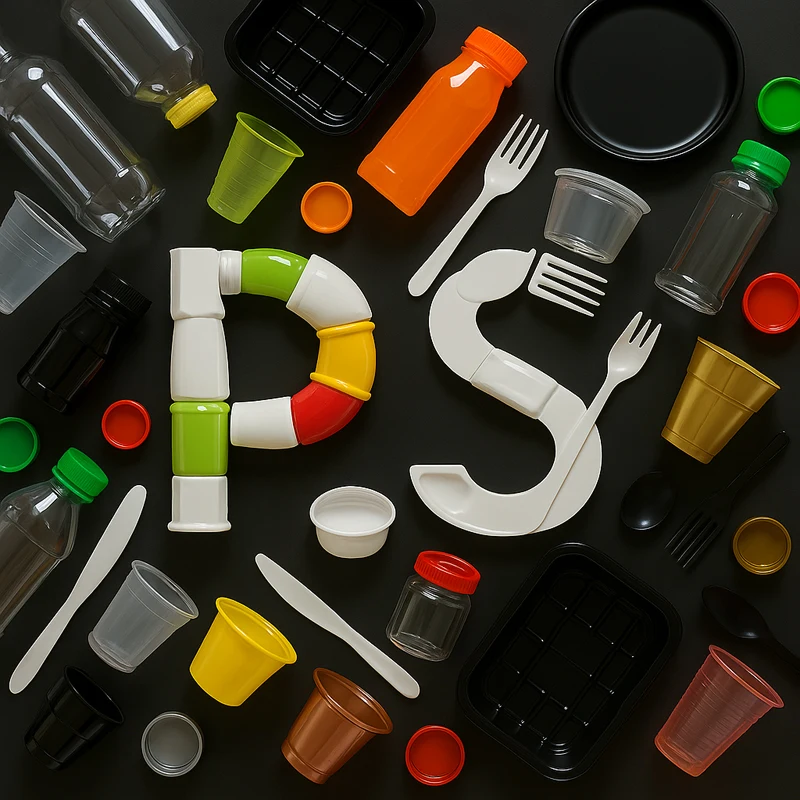
High Impact Polystyrene (HIPS PS) is a popular material for producing disposable containers due to its outstanding properties, such as high impact resistance, suitable hardness, dimensional stability, and printability. By combining mechanical, chemical, and visual properties, this material not only offers reliable performance but is also an efficient choice economically and environmentally. This article examines 14 key reasons why HIPS PS is selected for the production of disposable containers.
- High Impact Resistance of HIPS PS in Disposable Containers: Ensuring Durability and Safety
- Suitable Hardness and Rigidity of HIPS PS for Producing Sturdy Disposable Containers
- Dimensional Stability of HIPS PS for Precise and Uniform Disposable Containers
- Excellent Moldability of HIPS PS for Diverse Disposable Container Designs
- Smooth and Polished Surface of HIPS PS: Beauty and Efficiency in Disposable Containers
- High Printability of HIPS PS for Disposable Container Branding
- Low Production Cost of HIPS PS: An Economic Advantage in the Disposable Container Industry
- Chemical Resistance of HIPS PS to Foodstuffs in Disposable Containers
- Thermal Stability of HIPS PS at Medium Temperatures for Practical Disposable Containers
- Compliance of HIPS PS with Food Safety Standards in Disposable Containers
- HIPS PS Resistance to Stress Cracking: Greater Durability for Disposable Containers
- Easy Recyclability of HIPS PS: The Sustainable Path to Green Disposable Containers
- Lightweight of HIPS PS: Ease of Transport and Use of Disposable Containers
- Colorability and Color Variety of HIPS PS in Creating Visually Appealing Disposable Containers
High Impact Resistance of HIPS PS in Disposable Containers: Ensuring Durability and Safety
The high impact resistance of HIPS PS means this material can absorb energy from sudden impacts and pressures. This feature ensures that disposable containers do not crack or break during common accidents like falling from a low height or hitting other objects. Since disposable containers are often exposed to pressure during handling, storage, and transit, high impact resistance plays a key role in maintaining their integrity and useful life. Ensuring durability and safety in daily use is one of the most important advantages of using HIPS PS. With this property, the likelihood of food or liquid leakage is minimized, and users can confidently use containers for carrying and storing various foods and drinks. Additionally, high impact resistance ensures the container’s shape is maintained during stacking or external pressures during transport, preventing unwanted deformation.
Suitable Hardness and Rigidity of HIPS PS for Producing Sturdy Disposable Containers
The hardness and rigidity of HIPS PS are two important features that contribute to the structural stability of disposable containers. Hardness refers to the container’s surface resistance to scratching, pressure, and surface deformation, while rigidity refers to the material’s ability to maintain its shape without excessive flexibility. These two properties ensure that containers made from HIPS PS do not change shape and retain their appearance during storage or transport. Therefore, even if the container is in contact with hands, packaging machinery, or food, it shows desirable resistance. The right balance of hardness and rigidity in disposable containers not only increases durability but also provides a better user experience. These containers are easy to hold, do not feel flimsy or unstable, and give a sense of reliability and cleanliness when used for food or drinks. In industrial or service applications, such as packaging ready-to-eat meals or distributing beverages, selecting a material with high hardness and rigidity helps significantly reduce waste and increase productivity.
Dimensional Stability of HIPS PS for Precise and Uniform Disposable Containers
Dimensional stability is one of the important features of HIPS PS, which ensures that disposable containers maintain their shape and size throughout the production, packaging, and usage stages. This property means the material resists changes in dimension under various conditions such as heat, pressure, or time. When a material like HIPS PS is stable against temperature-induced shrinkage or expansion, it becomes much easier and more reliable to produce containers with uniform and predictable dimensions. Dimensional accuracy is highly important for disposable containers, especially when they are used with automated packaging machines or in industrial processes. If the container dimensions are not precise and stable, the chance of food leakage, lids not closing properly, or issues with stacking increases. HIPS PS, with its suitable dimensional stability, guarantees that every container produced is similar in size and shape to the previous one, providing reliable performance in various applications.
Excellent Moldability of HIPS PS for Diverse Disposable Container Designs
One of the most important features of HIPS PS is its high moldability. This material is easily shaped and precisely converted into the desired form in production processes like injection molding or thermoforming. This feature allows manufacturers to design disposable containers in various shapes and with precise details. From cups to plates and various food containers, HIPS PS can be turned into beautiful and practical molds without complex processes. This high moldability not only enables design variety but also increases production speed and reduces costs. The raw material flows easily into the molds, and the final product comes out of the machine without defects and with desirable quality. Ultimately, this feature leads to the production of containers that are both visually appealing and functionally efficient. For companies looking for mass production while maintaining quality standards, HIPS PS is a suitable and economical choice.
Smooth and Polished Surface of HIPS PS: Beauty and Efficiency in Disposable Containers
One of the striking features of HIPS PS is its smooth and polished surface, which plays a key role in the appearance and performance of disposable containers. This uniform surface gives the final product a beautiful and professional look, making the containers appear very clean and organized. In applications like packaging food or beverages, an attractive and clean-looking container provides a greater sense of trust and satisfaction for the consumer. Additionally, the smooth surface allows for high-quality, precise direct printing or labeling on the container. In addition to aesthetics, this polished surface is also effective in the container’s function. When pouring liquids or taking out food, the smooth surface reduces the content’s sticking to the container, making emptying or cleaning easier. In industrial production processes, the material’s polished surface allows for smoother movement in molds and machinery, reducing the risk of the container getting stuck or damaged. Therefore, the smooth surface of HIPS PS provides a combination of visual beauty and technical efficiency to the disposable container industry.
High Printability of HIPS PS for Disposable Container Branding
A practical feature of HIPS PS is its high printability, which is very important in the disposable container industry. This material has a smooth and uniform surface that provides suitable conditions for direct printing, labeling, or graphic designs. The result is the ability to print logos, product information, promotional designs, and even personal messages on containers without a loss in print quality or detail. Brands that want a distinctive and recognizable product can use this feature to turn the container into a marketing tool. The high printability of HIPS PS has both aesthetic and economic/communicative value. Since printing on the container can strengthen brand identity and convey necessary information to the consumer, using this feature helps build an effective relationship with the customer and increase trust. Also, high-quality printing on containers demonstrates the product’s professionalism and establishes brand superiority in competitive environments like restaurants or food stores. By leveraging this property, manufacturers will have not only a functional container but also an effective medium.
Low Production Cost of HIPS PS: An Economic Advantage in the Disposable Container Industry
One of the significant advantages of HIPS PS in the disposable container industry is its low production cost. Due to simple production processes, suitable forming temperature, and lower energy consumption compared to some other plastics, this material leads to a significant reduction in production costs. In the molding stage, HIPS PS is easily shaped and does not require complex equipment or high energy consumption. This allows manufacturers to produce a variety of containers at high volumes with lower investment. From an economic perspective, low production costs help make the final product price more competitive and increase consumer access. Especially in industries where a high volume of disposable containers are produced and consumed—like restaurants, food packaging companies, or large stores—reducing production costs plays a key role in maintaining profitability. By providing cost-effective production conditions, HIPS PS allows businesses to meet market demand without compromising quality and to increase their productivity.
Chemical Resistance of HIPS PS to Foodstuffs in Disposable Containers
The chemical resistance of HIPS PS is one of the important features that contributes to its widespread use in producing disposable food-related containers. This property refers to the material’s ability to resist reactivity with food items, condiments, oils, and other food compounds. HIPS PS is designed to be compatible with many food items and minimizes the chance of the material dissolving or breaking down in contact with food. Therefore, its use in containers that are in contact with food contents is considered fully reliable from a hygienic standpoint. This chemical resistance plays an important role in preserving consumer health and the final product’s quality. Containers made from HIPS PS can be easily used for packaging or storing cold and hot foods without releasing harmful substances or changing the food’s taste and smell. This feature also helps containers remain in contact with food for a longer period without unwanted reactions, which is a key advantage for food industries and restaurants in terms of productivity and ensuring product safety.
Thermal Stability of HIPS PS at Medium Temperatures for Practical Disposable Containers
The thermal stability of HIPS PS means that this material can show good resistance to temperature changes, especially the medium temperatures that occur in daily use. This feature ensures that disposable containers made from HIPS PS do not change shape and maintain their performance when placed in warm environments like inside a car, near a stove, or in contact with relatively hot foods. Such thermal stability is very important for plastic materials because it prevents bending, softening, or cracking at high temperatures and keeps the container’s quality consistent in various applications. The practicality of this property becomes especially important in the disposable container industry when these containers are used for soups, tea, coffee, or hot foods. HIPS PS can perform without a loss in quality at common household or restaurant-use temperatures and maintain the container’s shape. This thermal stability, in addition to maintaining consumer safety, also helps increase trust and user satisfaction, enabling manufacturers to produce containers that are reliable and durable for a variety of daily uses.
Compliance of HIPS PS with Food Safety Standards in Disposable Containers
One of the outstanding advantages of HIPS PS is its full compliance with food safety standards. This material is made of compounds that do not create undesirable chemical reactions when in contact with food, and it does not change the food’s taste, color, or smell at all. In the production process, HIPS PS is subject to hygienic and quality controls to ensure that no type of contamination or harmful substance is present in its composition. This very feature makes it a reliable choice for manufacturing containers that are in direct contact with foods, beverages, or food packaging compounds. Compliance with food safety standards is not only a technical issue but a vital one for preserving consumer health. Producing disposable containers using HIPS PS gives businesses the confidence that their products are hygienically approved and are authorized for use in the food industry. This is especially important in competitive and regulated markets like restaurants, chain stores, and food product packaging, as meeting safety standards not only guarantees quality but also wins customer trust.
HIPS PS Resistance to Stress Cracking: Greater Durability for Disposable Containers
Stress cracking is a common problem in many plastic containers that can appear over time due to mechanical or chemical pressures. This phenomenon occurs when the material is subjected to constant pressure or localized stress, leading to the formation of micro-cracks on the surface or inside the container. HIPS PS, with its resistant structure reinforced with butadiene rubber, has high resistance to these types of damages. This feature leads to the production of containers that remain stable and resistant to daily stresses such as compression in packaging, contact with food compounds, or temperature changes. The greater durability resulting from stress cracking resistance increases the lifespan of disposable containers made from HIPS PS, even if this lifespan is only within the range of a few hours to a few days of use. This resistance also prevents the container’s contents from leaking due to micro-fractures, providing more safety for the consumer. In commercial applications such as transporting and packaging food, this feature ensures that the containers have reliable performance during transit and final use, and that the product’s quality is preserved.
Easy Recyclability of HIPS PS: The Sustainable Path to Green Disposable Containers
The easy recyclability of HIPS PS is one of the outstanding strengths of this material in the disposable container industry. Recyclability refers to the possibility of collecting, separating, and re-converting the material into new products without a significant loss in quality. HIPS PS is designed to be well-decomposed and re-processed in industrial recycling processes, which leads to a reduction in plastic waste and saves raw materials. In fact, recycling this material is both environmentally beneficial and economically helpful to manufacturers in managing costs. In the move towards green and sustainable production, using recyclable materials like HIPS PS plays a key role. Disposable containers made from this material can enter the recycling cycle after use and be converted into new products or even new containers without creating long-term environmental pollution. This very factor makes it a desirable choice for food industries, restaurants, and packaging companies that pay attention to environmental responsibility. Ultimately, this recyclability makes HIPS PS stand out and reliable among the sustainable choices in the plastic industry.
Lightweight of HIPS PS: Ease of Transport and Use of Disposable Containers
The lightweight nature of HIPS PS is one of the reasons why this material has become so widely used in the production of disposable containers. Its light weight makes the produced containers easier to handle, both during industrial warehousing and transport and in daily use by the consumer. This feature helps large packages of containers be easily moved without extra weight or pressure, and consequently, reduces transportation costs for manufacturers and distributors. In environments like restaurants or food preparation centers, the light weight helps speed up the packaging and service process. For the final consumer, this feature is also very noticeable. When a container is light, its use is more convenient, especially at parties, during travel, or in outdoor environments like parks and nature. Containers made from HIPS PS do not put a lot of pressure on the hand when carrying food or drink and convey a sense of lightness and ease of use. Alongside other features like a beautiful appearance and suitable resistance, light weight is one of the effective factors in a positive user experience and the popularity of this type of container in various markets.
Colorability and Color Variety of HIPS PS in Creating Visually Appealing Disposable Containers
The suitable colorability of HIPS PS allows disposable containers to be produced in a wide range of colors, from simple and minimal colors to cheerful and attractive colors that grab consumer attention. This material has a good ability to absorb and fix colors, so colors combine well with the material during production, and a uniform, glossy, and durable result is obtained after molding. Color variety is not only effective in the container’s visual beauty but also plays a strong role in product categorization, brand identification, or creating a sense of satisfaction in the customer. Colored disposable containers made from HIPS PS are very well-received in daily uses, events, restaurants, and special packaging. The diverse colors of these containers add visual appeal to the environment and can even be coordinated with occasions or age groups, such as using cheerful colors for children or classic colors for formal ceremonies. This feature also helps the product be better seen in terms of marketing and strengthens the consumer’s experience in terms of beauty, practicality, and a sense of distinction. Overall, high colorability is one of the key factors in designing visually appealing and distinctive disposable containers.