
blog
Polypropylene (PP) in Disposable Packaging

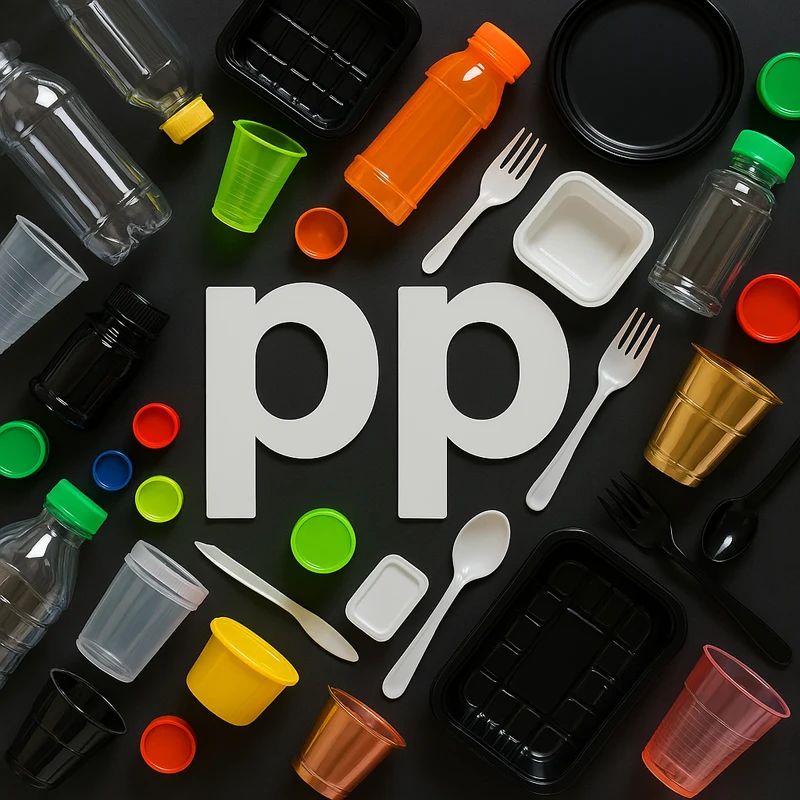
Polypropylene (PP), as one of the most widely used polymeric materials in the disposable container industry, has found a special place in the production of these products due to its unique features, including light weight, mechanical resistance, thermal and chemical stability, and recyclability. This material, with its potential for mass production, low cost, and compliance with hygienic standards, not only meets consumer needs but also helps reduce environmental impacts.
- A Comprehensive Review of Polypropylene (PP) Properties and Their Impact on Disposable Plastic Containers
- The Role of Polypropylene (PP) in Developing Lightweight and Durable Disposable Containers
- Chemical and Thermal Advantages of Polypropylene (PP) in Manufacturing Hot Food Containers
- The Effect of Polypropylene’s (PP) Mechanical Properties on the Safety and Durability of Disposable Containers
- Polypropylene (PP): An Economical Solution for Producing Disposable Plastic Containers
- Reviewing the Colorability and Beautiful Design of Polypropylene (PP)-Based Disposable Containers
- How Does Polypropylene (PP) Improve the Recyclability of Disposable Containers?
- Dimensional Stability of Polypropylene (PP) and Its Impact on the Storage of Disposable Containers
- Food and Health Standards for Disposable Containers Made with Polypropylene (PP)
- The Processability of Polypropylene (PP) and Its Role in the Mass Production of Disposable Containers
- Comparing the Properties of Polypropylene (PP) with Other Polymers in Disposable Plastic Container Production
- The Effect of Polypropylene’s (PP) Chemical Resistance on the Safe Storage of Food in Disposable Containers
- Reviewing the Creep and Long-Term Resistance of Disposable Containers Made from Polypropylene (PP)
- Eco-Friendly Disposable Containers: The Vital Role of Polypropylene (PP) in Reducing Plastic Waste
A Comprehensive Review of Polypropylene (PP) Properties and Their Impact on Disposable Plastic Containers
Polypropylene (PP) is one of the most important plastic materials in the packaging and disposable container industry. With a combination of useful properties such as lightweight, mechanical resistance, heat stability, and compatibility with food, it has found a significant place in the manufacturing of plastic containers. For example, the low weight of polypropylene makes the containers produced with this material light and easy to carry. Additionally, the thermal resistance of this polymer allows the use of disposable containers with hot food or in appliances like microwaves. Its high chemical resistance also ensures these containers can safely store food with various compositions without damage. The technical properties of polypropylene have a direct impact on the final performance of disposable containers. Its high moldability and processability allow for the production of these containers in high volume, at low cost, and in various shapes. On the other hand, the recyclability of polypropylene helps protect the environment and makes it a sustainable choice. Consumer health and safety are also important; polypropylene is a non-toxic and safe material for direct contact with food. Overall, these properties have made polypropylene a reliable and effective choice for producing various disposable plastic containers.
The Role of Polypropylene (PP) in Developing Lightweight and Durable Disposable Containers
Polypropylene (PP), as a lightweight and resistant polymer, plays a key role in the design and production of disposable containers. The low density of this material makes the final containers very light, which not only makes their transportation easier but also provides consumers with a greater sense of comfort during use. In addition to this feature, polypropylene has acceptable mechanical strength, resisting daily pressures such as storing hot food, minor impacts, or handling. This combination of lightness and resistance makes polypropylene an excellent choice for producing cost-effective yet high-performance containers. Given these properties, manufacturers can design containers that are both economically viable and satisfactory to consumers in terms of quality. For example, in the production of beverage containers or ready-to-eat meals, there is a need for a material that is both light and resistant to high temperatures or corrosive food compounds. Polypropylene (PP) meets these exact needs. This material not only performs well in thermoforming processes but also allows for the mass production of lightweight and durable containers at an acceptable cost. This is why polypropylene plays a central and irreplaceable role in the disposable container industry.
Chemical and Thermal Advantages of Polypropylene (PP) in Manufacturing Hot Food Containers
Due to its special chemical properties, polypropylene (PP) is a suitable option for manufacturing disposable containers for hot foods. This material has high resistance to most acids, bases, and common chemical compounds in food, and it does not decompose or change color. In other words, when foods containing oil, salt, or acidic compounds are poured into these containers, the polypropylene remains non-reactive, and the food’s quality is preserved. This feature, compared to some other plastics, ensures that PP containers are a safe and stable choice for storing hot and diverse foods. Thermally, polypropylene also has a remarkable performance. The melting point of this material is around 160°C, and it can resist temperatures up to 100-110°C without deforming or releasing harmful substances. This property allows disposable containers made with polypropylene to be used for serving hot foods like soups, stews, or rice, without the container changing its shape or transferring hazardous chemicals to the food. Overall, the combination of chemical and thermal resistance in polypropylene (PP) provides a complete package of safety, efficiency, and durability for producing disposable hot food containers.
The Effect of Polypropylene’s (PP) Mechanical Properties on the Safety and Durability of Disposable Containers
Polypropylene (PP), as a polymer material, has a set of mechanical properties that play an effective role in the safety and durability of disposable containers. One of its important features is its suitable tensile strength and ability to withstand pressure; meaning the container made of PP remains intact without cracking or breaking under the weight of food, handling, or sudden pressures. Additionally, the flexibility of this material ensures that containers have good protective performance against daily impacts, such as falling or surface collisions. This property is especially important in environments like food distribution centers, restaurants, or schools where containers are constantly being used and moved. On the other hand, polypropylene (PP) has creep resistance; meaning under long-term pressure, the container’s shape and structure do not change. This ensures that even with long-term storage of contents, the shape and stability of the containers are maintained, and no leakage or bending occurs in the container walls. Such mechanical stability increases the safety of using these containers for the consumer and guarantees their quality in packaging and transport processes. Ultimately, the mechanical properties of polypropylene (PP) have made it a reliable choice for producing durable, safe, and robust disposable containers.
Polypropylene (PP): An Economical Solution for Producing Disposable Plastic Containers
Polypropylene (PP), as one of the most widely used raw materials in the disposable container industry, has features that directly impact economical production. Due to its relatively low price, this material is a cost-effective option for manufacturers. The low cost of raw materials, combined with its high processability, allows for fast and low-cost performance in mass production. Molding machines with PP are easily adjusted and have a shorter production cycle, which reduces the time and energy required in factories. As a result, polypropylene (PP) significantly helps manufacturers who seek to reduce costs and increase productivity. From the consumer’s perspective, disposable containers made with polypropylene (PP) are generally lower priced, without sacrificing quality. These containers have suitable durability and safety against heat, pressure, and food, making them a cost-effective and reliable choice for daily use or packaging ready-to-eat meals. Additionally, the recyclability of this material means it can re-enter the production cycle even after use, reducing disposal and waste management costs. Overall, polypropylene (PP) is an economical solution for the disposable container industry at both the production and consumption stages.
Reviewing the Colorability and Beautiful Design of Polypropylene (PP)-Based Disposable Containers
The colorability of polypropylene (PP) is a practical feature of this material in the disposable container industry. Although pure versions of PP are not completely transparent, a wide range of vibrant and uniform colors can be produced by adding colored masterbatches. This material combines well with pigments and dyes, resulting in containers with an attractive appearance and high color quality. This advantage is especially important for products that need to be visually distinctive or stand out on store shelves. On the other hand, the absence of color change in the face of heat or food also ensures the container’s appearance is maintained during use. The beautiful design of disposable containers is also possible due to the suitable processability of polypropylene (PP). This material is easily shaped in processes like injection molding or thermoforming, allowing for details such as embossed patterns, smooth edges, or special forms to be applied. Such flexibility enables manufacturers to offer containers with modern designs, suitable for various events, restaurants, or packaging ready-to-eat food products. Overall, while providing color variety, polypropylene (PP) has paved the way for producing beautiful, high-quality, and eye-catching containers that are both attractive to consumers and valuable to the competitive market.
How Does Polypropylene (PP) Improve the Recyclability of Disposable Containers?
Polypropylene (PP) is a well-known plastic with recycling code 5, and it has a desirable performance in terms of re-entering the production cycle. Disposable containers made with this material, if properly sorted, can be easily shredded and reused in the production of new plastic products. Unlike some other plastic materials that experience a loss of quality or have decomposition issues during recycling, polypropylene has a more stable structure, and its recycling requires less energy and fewer additives. This feature reduces environmental and industrial costs in the recycling process and encourages manufacturers to use PP containers more widely in their production lines. From the consumer’s perspective, the recyclability of PP containers means a reduction in plastic waste, as these containers can be collected, sorted, and re-processed after use. With proper waste management, the volume of plastic entering nature can be significantly reduced. Also, many environmental organizations recommend using recyclable materials like polypropylene as a solution for sustainable development. Ultimately, choosing disposable containers based on polypropylene (PP) is not only economically viable but also a smart way to reduce plastic pollution and protect the environment.
Dimensional Stability of Polypropylene (PP) and Its Impact on the Storage of Disposable Containers
Dimensional stability is one of the important features of polypropylene (PP) that plays an effective role in maintaining the quality and efficiency of disposable containers. Dimensional stability means that the material retains its original shape and size under various environmental conditions such as changes in temperature, humidity, or pressure. By having this property, polypropylene ensures that containers do not shrink, swell, or deform over time, whether in the production process, during transport, or in storage. This is very important for disposable plastic containers, as these products must be produced and stored in large quantities with uniform and unchanging dimensions. The impact of this feature on the storage of disposable containers is completely evident. When containers are placed in bulky, mass packaging, if the material lacks dimensional stability, the containers may change shape, stick together, or crack after some time. In the case of polypropylene (PP), these problems are minimized due to its ability to maintain a constant shape, and the products retain their quality until final use. This also leads to reduced waste, increased efficiency, and greater confidence for the final consumer. As a result, the dimensional stability of polypropylene (PP) is one of the main reasons for its selection in producing reliable disposable containers for extensive production and distribution chains.
Food and Health Standards for Disposable Containers Made with Polypropylene (PP)
Disposable containers made with polypropylene (PP) are designed to comply with food and health standards. One of the most important advantages of PP is that it does not release harmful substances when in contact with cold or hot foods. In its pure form, this material is free of compounds like Bisphenol A (BPA) or phthalates, which are found in some plastics and raise significant health concerns. For this reason, polypropylene is recognized as a permissible material for direct contact with food in many international regulations, such as US FDA standards or European health organizations. Also, during the production of PP containers, strict quality control is carried out to prevent impurities or contamination from entering the material. From a hygienic standpoint, these containers are made to allow for safe washing, disinfection, or storage of food. The smooth, non-absorbent surface of polypropylene prevents food residues or microbes from easily sticking to the container’s surface, which in itself is a barrier to the growth of bacteria and fungi. With proper packaging, PP containers can store food for a long time and prevent leakage, color change, or odor. Also, many reputable manufacturers of these containers obtain food safety certifications to increase consumer confidence in the product’s safety. Therefore, while maintaining the container’s visual quality, polypropylene (PP) also adheres well to food and health standards.
The Processability of Polypropylene (PP) and Its Role in the Mass Production of Disposable Containers
The processability of polypropylene (PP) is one of the key factors in the successful mass production of disposable plastic containers. This material is easily used in various industrial processes like injection molding, thermoforming, and blow molding. Its flexibility in adjusting temperature, pressure, and process time allows manufacturers to achieve a variety of container shapes without a decrease in quality or efficiency. Also, the molding cycle for PP is relatively short, which reduces production costs and increases the output speed of production lines. In addition to ease of shaping, polypropylene (PP) allows for the inclusion of design details like precise edges, embossments, and even printing on the containers. This feature is very effective for producing containers with a professional appearance, optimal performance, and market competitiveness. Also, due to this material’s thermal and mechanical stability, mass production of containers in high volume and without quality loss has become possible. As a result, the processability of polypropylene (PP) not only optimizes production costs but also provides suitable conditions for the widespread and stable supply of high-quality disposable containers.
Comparing the Properties of Polypropylene (PP) with Other Polymers in Disposable Plastic Container Production
In the disposable container industry, the choice of raw material has a direct impact on the product’s quality, durability, and final price. Compared to other polymers like polyethylene (PE), polystyrene (PS), and polyvinyl chloride (PVC), polypropylene (PP) has features that have made it a suitable and widely used option. For example, in terms of heat resistance, polypropylene performs better than polystyrene and can store hot foods without deforming or releasing harmful substances. It also has higher mechanical resistance than polyethylene and is less prone to bending or breaking. In terms of price and recycling, polypropylene is more economical and environmentally friendly than polyvinyl chloride. PVC is generally used less in disposable container production because it has a higher cost and its recycling process is more complex. In contrast, polypropylene, with recycling code 5, is easily sorted and recycled. In terms of design, PP has better moldability and colorability than light polyethylene, which gives containers made with this material a more beautiful and professional appearance. The combination of these features has made polypropylene a more suitable choice than other polymers for producing high-quality, cost-effective, and safe disposable plastic containers.
The Effect of Polypropylene’s (PP) Chemical Resistance on the Safe Storage of Food in Disposable Containers
The chemical resistance of polypropylene (PP) is a vital feature of this material in the manufacturing of disposable containers for food storage. This material has very low reactivity with most chemical compounds found in food, such as natural acids, fats, salts, and alkaline substances. In other words, when acidic, fatty, or preservative-containing foods are placed in PP containers, the material is not degraded and does not transfer unwanted compounds to the food. This very feature helps preserve the quality and taste of the food and prevents the container from changing color, odor, or becoming contaminated due to the contents inside. This chemical resistance property has also led to polypropylene (PP) being approved by health organizations for direct contact with food. In many quality control tests, PP has proven that it does not release any harmful compounds, even at high temperatures and in long-term contact with food. This feature allows manufacturers to produce safe and standard containers for packaging fresh, processed, or ready-to-serve foods. Overall, the chemical resistance of polypropylene not only increases the safety of using the containers but also ensures the consumer’s peace of mind regarding the safety of their food.
Reviewing the Creep and Long-Term Resistance of Disposable Containers Made from Polypropylene (PP)
Creep is one of the mechanical phenomena in polymer materials that refers to their gradual change in shape due to a constant load and a long period of time. Polypropylene (PP) is one of the materials that has relatively good resistance to creep. This feature allows it to maintain its shape and structure during the container’s storage or use. Specifically, if the container is filled with food or is placed in conditions like long-term stacking in a warehouse, PP does not experience noticeable indentation or bending. This feature increases consumer confidence and reduces waste caused by changes in container shape. The long-term resistance of disposable containers made from polypropylene (PP) results from a combination of low creep, dimensional stability, and mechanical strength. Even in conditions where the containers are exposed to pressure, relative temperature, or humidity, this material performs well, and no noticeable changes in its shape and function are observed. This advantage is especially important in distribution chains or mass food packaging, as it requires containers that maintain their shape and functionality until final use. Ultimately, features like the creep resistance of polypropylene (PP) improve quality, reduce production costs, and increase consumer satisfaction in the disposable container industry.
Eco-Friendly Disposable Containers: The Vital Role of Polypropylene (PP) in Reducing Plastic Waste
Disposable containers made from polypropylene (PP) are presented as a smart solution for reducing plastic waste and protecting the environment. One of the notable features of this material is its high recyclability, which allows containers to easily re-enter the production cycle after use. Unlike some non-recyclable plastics, polypropylene has a stable structure that retains its quality during the recycling process and can be used for the re-manufacturing of various products, including new containers. This not only saves natural resources but also leads to a reduction in plastic waste. From an environmental perspective, choosing polypropylene for producing disposable containers is considered an effective step towards sustainable development. With the spread of a culture of waste sorting and proper waste management, PP containers can be effectively collected and re-processed. Also, compared to some other plastic materials, polypropylene does not release harmful chemicals into the environment, and its production process requires a relatively lower amount of energy. The combination of these factors has made polypropylene (PP) an eco-friendly option for producing disposable containers and plays a vital role in reducing plastic pollution.