
blog
The Power of CRM in the Disposable Container Industry

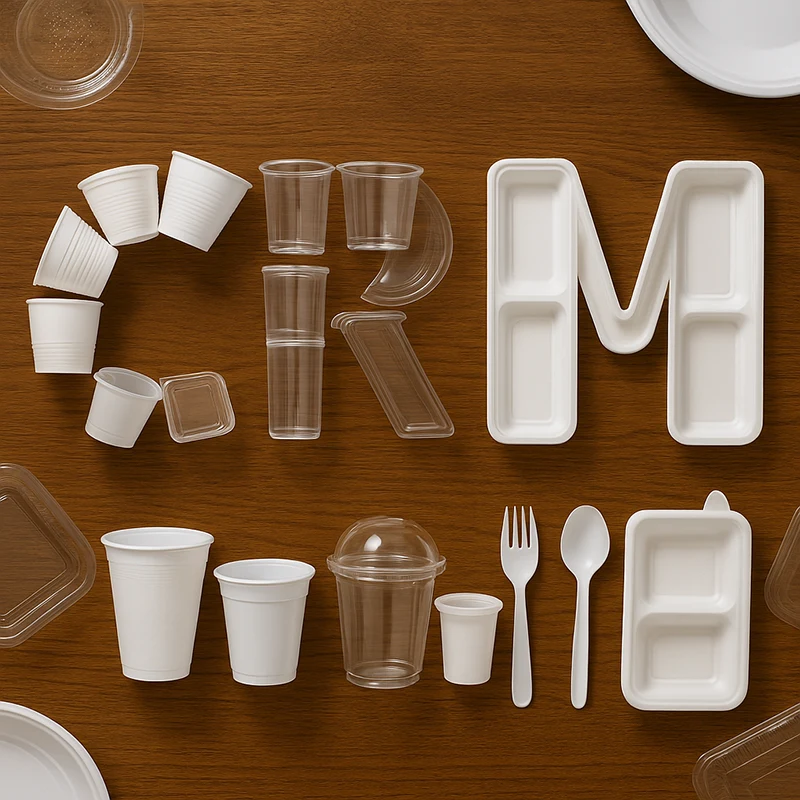
In today’s highly competitive world, using modern systems to optimize customer relationships has become an essential necessity for businesses. Especially in industries like plastic disposable container manufacturing and distribution, which deal with a large number of wholesale and retail customers, leveraging Customer Relationship Management (CRM) systems can bring numerous benefits. This article provides a comprehensive and detailed look at the importance of CRM in this industry.
Table of Contents
- What is CRM?
- CRM Goals in the Disposable Container Market
- Better Understanding the Customer Journey
- Optimized Customer Data Management
- Smart Sales Forecasting
- Improving Customer Service and Sales Team Performance
- Increasing Sales and Customer Loyalty
- Attracting High-Quality Leads
- More Accurate Customer Segmentation
- Reducing Customer Acquisition Costs
- Increasing Customer Lifetime Value
- Automated Reporting
- Managing the Sales Cycle
- Accurate Business Forecasting
- Tracking Sales Metrics
- Smart Marketing Investment
- Reducing Wasted Time
- CRM as a Digital Memory
- Risks of Neglecting CRM
- Competitive Advantage with CRM
What is CRM?
Customer Relationship Management (CRM) is a powerful and practical software that allows businesses to accurately and systematically record and manage their customer information and establish more effective communication with them. This system is particularly vital and efficient for companies with a large number of customers, such as disposable container manufacturing plants. With CRM, data related to each customer is regularly categorized and stored, which helps the company better understand customer needs and preferences and, at the right time, provide targeted and tailored offers.
For example, imagine a disposable container factory in Tehran dealing with dozens of wholesale and retail customers. Without a proper relationship management system, tracking orders, responding to various customer requests, and reminding them of the right time for a reorder can be a time-consuming and complex process with a high potential for error. However, when a CRM is used, a precise file is created for each customer, including their purchase history, contact information, and specific needs. This way, the factory can provide special and suitable offers based on each customer’s history and behavior, which not only increases sales but also significantly enhances customer satisfaction and loyalty. This process organizes customer communication, optimizes the sales process, and ultimately allows the business to operate more powerfully and effectively in the competitive market.
—
CRM Goals in the Disposable Container Market
One of the main reasons for using a CRM system is to help businesses achieve their goals more easily and grow faster. This system helps companies not only attract new customers but also retain existing ones, personalize and improve communication with each customer, and simplify and make sales team processes more effective. This is especially important in industries like disposable container manufacturing, where competition is very intense, and can make a significant difference in the company’s success.
For example, suppose a food packaging container factory wants to pay more attention to customers like restaurants and catering companies. With the help of the CRM system, this company can analyze the purchase history and order types of each of these customers and, based on that, send them special offers, such as exclusive discounts or new product introductions, in a targeted manner. This not only increases sales but also makes the customer feel that the company cares about their needs, fostering a relationship built on trust and mutual value. As a result, CRM acts as a key tool, making the company more powerful in market competition and leading to greater customer loyalty.
—
Better Understanding the Customer Journey
A CRM system allows businesses to fully track the customer’s interaction journey with products and services, understanding how customers became familiar with the brand, what process they went through to make a decision, and what factors ultimately led to the purchase. This accurate and practical information is key to improving advertising strategies, designing targeted sales offers, and removing obstacles that might discourage the customer during the buying process.
For example, imagine a wholesale customer from Ahvaz who enters your sales website after seeing an Instagram ad and places an order a few days later. With the CRM system, you can precisely follow this customer’s path; you can understand which ad had the most impact, how long it took for the customer to make a final decision, and at what stage of the buying process improvements could be made to increase speed or convenience. These analyses are crucial for disposable container manufacturers who want to expand their market, helping them make more informed and effective decisions and ultimately increasing their sales.
—
Optimized Customer Data Management
In industries like disposable container manufacturing, where order volumes are high and customer needs are diverse and specific, order and accuracy in recording customer information are paramount. CRM systems enable the storage of comprehensive and complete data such as customer names, contact numbers, purchase history, previous requests, and individual interests in an organized and systematic manner.
For example, suppose a customer in Bandar Abbas is only interested in clear cups of a specific size. If this information is fully recorded in the CRM, when introducing a new product or offering a special discount, advertising messages are sent precisely to this customer, targeting them specifically. This method optimizes the use of advertising resources and increases the likelihood of converting ads into actual sales because the communication with the customer is targeted and relevant. As a result, not only does customer satisfaction increase, but the return on advertising and sales also significantly improves.
—
Smart Sales Forecasting
By collecting and analyzing extensive information related to customer purchasing behavior, the CRM system allows businesses to forecast future trends and make more accurate and smarter strategic decisions. In the disposable container industry, this feature is vital, as manufacturers can optimize their production and distribution and prevent product shortages or surpluses by better understanding buying patterns and seasonal changes.
For example, if CRM data shows that the sales of plastic cups increase sharply in the summer, the factory can plan to significantly ramp up production of this product before the warm season begins. Also, by leveraging this information, the sales and marketing teams can design targeted and regional advertising campaigns that have the greatest impact during peak demand. This strategy ensures products reach customers on time, reduces warehousing costs, and ultimately maximizes the company’s profitability during peak seasons.
—
Improving Customer Service and Sales Team Performance
By collecting and putting together all customer-related information, the CRM system helps in responding to their requests and needs faster and more accurately. This is especially important in the plastics industry, where customers sometimes need goods urgently and in a short time. When the sales team has access to complete and up-to-date information, they can provide more suitable offers and move the sales process forward more quickly and easily.
For example, suppose a wholesale customer suddenly places an order for 5,000 plastic containers of a specific model. The sales operator, by checking the CRM system and viewing this customer’s previous order history, realizes that this model of container has been sent to them before. This way, without the need for lengthy inquiries or correspondence, they can quickly begin the sales process and notify the warehouse to prepare and ship the goods in the shortest possible time. This speed of action leads to greater customer satisfaction and increased business productivity.
—
Increasing Sales and Customer Loyalty
The CRM system helps businesses better understand their customers’ needs and provide them with more accurate and relevant offers. This makes customers more inclined to make repeated purchases and stay loyal. In a highly competitive market where customers are always looking for better options, having continuous and smart communication with customers is one of the keys to success. When a customer feels that the company genuinely cares about their needs, they are less likely to think about changing suppliers or brands.
For example, imagine a disposable container factory knows that a retail customer usually orders disposable tablecloths once every two months. Using the CRM system, they can set up an automatic reminder to contact this customer or send them a discount code and special offer just before the next order is due. This simple action helps the sales process continue and builds a stable, trust-based relationship between the factory and the customer.
A factory that identifies its frequent customers with the help of a CRM and sends them exclusive and special offers has a better chance of retaining customers and solidifying its position in the market compared to competitors who treat all customers the same. This type of relationship management leads to more satisfied customers, increased sales, and more successful business performance in the competitive market.
—
Attracting High-Quality Leads
By accurately analyzing customer behavior and identifying their purchasing patterns, the CRM system is a very useful tool for attracting high-quality customers and increasing sales. By collecting and reviewing various data, such as the number of purchases, the types of products most ordered, the total purchase amount, and the time of purchase, this system can understand customer behavior well and identify patterns that indicate a high probability of a repeat or larger order.
For example, in the disposable container industry, suppose a factory uses a CRM to analyze its customers’ purchase data. This analysis shows that stores that have repeatedly ordered clear plastic containers in the past three months usually place more orders in the summer and are likely to soon need to order special containers for parties or celebrations. By identifying this pattern, the sales team can provide these stores with high-quality sales leads; for instance, by sending a special offer for party containers or seasonal discounts.
This ensures that time and money are not wasted on attracting new customers who might not make a purchase. Instead, by focusing on potential customers with a high probability of buying, sales increase more effectively. In other words, CRM helps the business send targeted messages tailored to the actual needs of customers, rather than general and scattered promotional messages, which increases the conversion rate of leads into real customers. This leads to the acquisition of higher-quality customers, higher sales, and sustainable business growth.
—
More Accurate Customer Segmentation
With a CRM system, you can categorize customers based on different characteristics and behaviors. For example, one group of customers might buy a specific product more, another group might make more purchases overall, or customers might operate in different geographical regions. This segmentation helps the business understand the needs and preferences of each customer group.
For instance, customers ordering in the north of the country might want different products than customers in the south. Or someone who places a wholesale order every month has a different buying behavior than someone who only buys occasionally. When the CRM system identifies these differences, the company can send its messages and offers separately and accurately to each group. This makes communication with customers more targeted and increases the likelihood of a successful sale.
—
Reducing Customer Acquisition Costs
Acquiring a new customer usually costs more than retaining an existing one. But by using a CRM system, businesses can identify the best communication methods with their customers and tailor promotional messages to be more accurate and effective. This leads to more targeted marketing, reduces costs, and ultimately yields better results.
For example, suppose a factory, with the help of CRM data, realizes that store owners in a specific area usually place larger orders. In this case, the factory can focus its advertising and marketing campaigns on this specific group. This eliminates aimless and scattered advertising, reduces marketing costs, and increases the number of successful purchases. Therefore, by accurately knowing customers and their behavior, both time and money are saved, and the return on sales and advertising improves significantly.
—
Increasing Customer Lifetime Value
Customer Lifetime Value (CLV) is the amount of revenue a customer generates for a business throughout their relationship with the company. The CRM system helps increase this value with tools such as sending offers relevant to the customer’s interests and needs, regularly tracking order status and purchasing behavior, and maintaining continuous engagement.
For example, imagine a customer initially only orders food containers. But with regular follow-ups and offers for complementary products, such as lidded containers, trays, or plastic spoons and forks, the customer might become interested in buying these products as well. These new sales opportunities and the ability to retain the customer for a longer period are only identifiable and usable when the company leverages a smart CRM system and maintains continuous communication with the customer. This way, CRM increases the total revenue from each customer and strengthens the relationship between the customer and the company.
—
Automated Reporting
A CRM system helps businesses automate reporting on their customers. These reports accurately record important information such as sales volume, customer behavior, their needs, and the performance of sales and support teams. When this information is made available to managers regularly and correctly, they can better identify their team’s strengths and weaknesses and make better decisions to improve sales and service processes. Thus, using automated CRM reports helps sales and support activities be performed faster and more effectively, and teams can better respond to customer requests and needs. Ultimately, this process greatly helps increase customer satisfaction and business growth.
—
Managing the Sales Cycle
The sales cycle in most industries includes several main stages that businesses must manage carefully. These stages usually involve identifying customer needs, providing a suitable offer, following up to win the customer over, negotiating for a final agreement, and finally finalizing the purchase. The CRM system, by automating many of these tasks and accurately recording every customer interaction, helps each stage be completed faster and with greater accuracy. This reduces the total sales cycle time, and sales are finalized more quickly.
For example, when a new customer submits a request for a quote on packaging containers, the CRM system automatically sends them the necessary information such as prices, product catalog files, and technical specifications. This system also assigns the follow-up of the request to the relevant sales representative so that subsequent calls with the customer are made, and the sales process continues in an organized manner without delay. This automation ensures that no request is lost and sales are completed with better speed and quality.
—
Accurate Business Forecasting
A CRM system allows businesses to better forecast their future activities and make more precise plans by using the information it collects about customer behavior and sales volume. For example, if the data shows that the sales of a specific product increase sharply in the summer, the factory can increase the production volume of that product before the summer begins to meet market demand well and prevent product shortages.
These forecasts help businesses better manage their inventory levels, prevent overproduction or product shortages, and also determine the right timing for their advertising and marketing campaigns. This way, by leveraging accurate CRM data, companies can conduct their activities more systematically and in a targeted manner, reduce costs, and ultimately provide greater satisfaction for their customers. This process makes businesses not only more efficient but also gives them a better position in the competitive market.
—
Tracking Sales Metrics
The CRM system allows businesses to easily and accurately track and analyze their key sales metrics. One of these metrics is the conversion rate, which shows what percentage of people attracted through ads or initial contact ultimately made a purchase. In addition, the total volume of product sales and the performance of advertising campaigns can also be measured. By having this important and accurate information, sales managers can make better decisions and understand which methods and ads were effective and which areas need improvement.
For example, if an advertising campaign does not yield desirable results, managers can change or stop that campaign and focus their resources and energy on more successful methods. This process helps the business increase its sales and manage financial and time resources more optimally. Thus, using a CRM not only helps improve sales performance but also makes the entire marketing and sales process smarter and more efficient.
—
Smart Marketing Investment
The CRM system helps businesses accurately review the performance of their marketing campaigns and understand which methods have had the best results. This information allows companies to spend their money and time more intelligently and invest in ads that have the highest return. For example, if the CRM system shows that promotional emails are opened and read by customers more than SMS messages, the company can allocate more budget to email advertising and reduce SMS ads. This increases the return on advertising and reduces unnecessary costs.
—
Reducing Wasted Time
The CRM system, by automating repetitive and time-consuming tasks such as sending notification emails, tracking order status, and recording customer calls and messages, helps sales and support staff waste less time. This means that instead of having to manually perform these tasks repeatedly, the system automates all these steps, making processes faster and more accurate. For example, when a new order is placed, the CRM automatically sends a confirmation email to the customer and notifies the sales team of the status without manual intervention. This saves time and increases productivity.
—
CRM as a Digital Memory
No salesperson can remember and manage all the details for hundreds of customers, such as orders, invoices, payment methods, and previous conversations. For this reason, the CRM system acts as a digital memory that accurately stores all this information without error and provides it to the sales and support team in an organized and accessible manner.
For example, suppose a customer called two months ago and said they were not satisfied with the lids of the clear cups and wanted to receive a different model. If this information is recorded in the CRM system, when the sales team contacts that customer again, they are quickly aware of this request and can offer them the new model. This makes the customer feel that the company pays attention to their needs and has a better buying experience.
—
Risks of Neglecting CRM
If businesses neglect the use of a CRM system, many problems can arise for them. First, they might lose customers because they cannot properly track their needs and wants. Also, sales decrease because new sales opportunities are not identified and followed up. On the other hand, operational costs increase because sales and support processes are done manually and in an unorganized manner, which leads to wasted time and resources. In short, not having a CRM prevents a business from effectively communicating with its customers and causes it to fall behind in the competitive market.
—
Competitive Advantage with CRM
In a market where the competition in the production and sale of disposable containers is very intense, the three main factors for success are: speed in responding to customer requests, accuracy in precisely identifying each customer’s needs, and providing special and personalized offers based on those needs. The use of CRM allows companies to provide their services and products in a better and more targeted way by analyzing the data collected from customers, thereby strengthening their position in the competitive market.
For example, a factory that uses a CRM system can tailor its marketing campaigns based on features such as the geographical location of customers, their purchase volume, or the type of products they prefer. This makes the messages sent more accurate and relevant. In contrast, competitors who do not use a CRM usually send generic and less effective messages that may not capture customers’ attention. As a result, a company that uses a CRM remains more professional and special in the minds of its customers, and the likelihood of attracting and retaining customers is higher for it.